Why Stick with Toyota/Lexus Harnesses
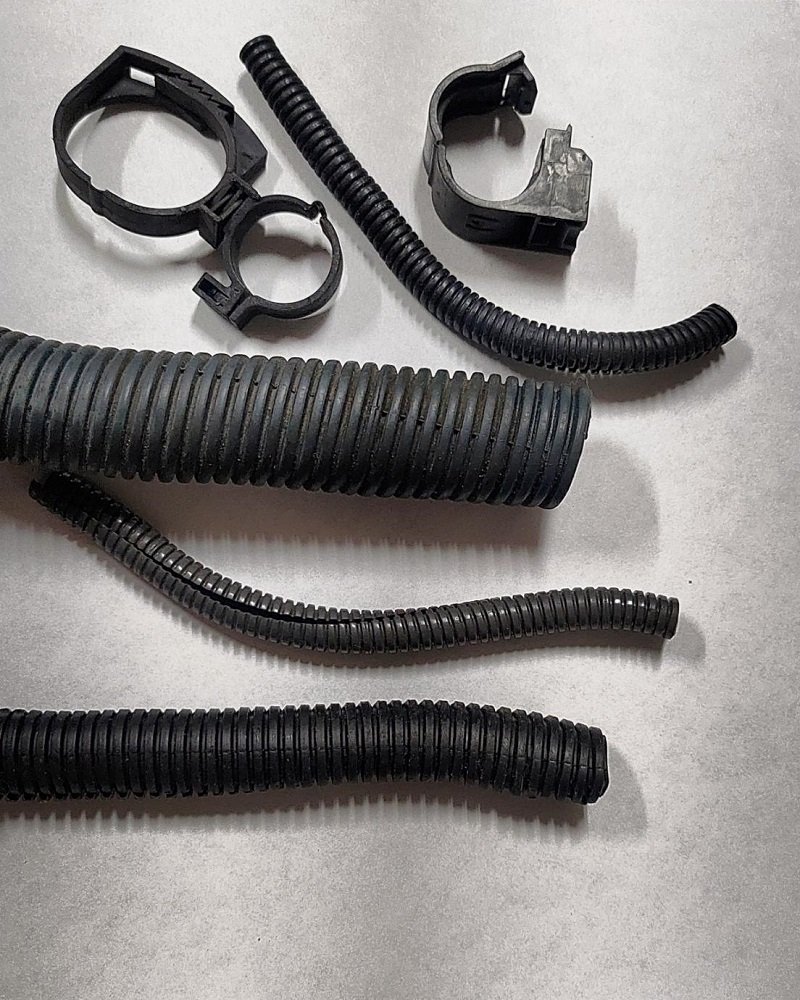
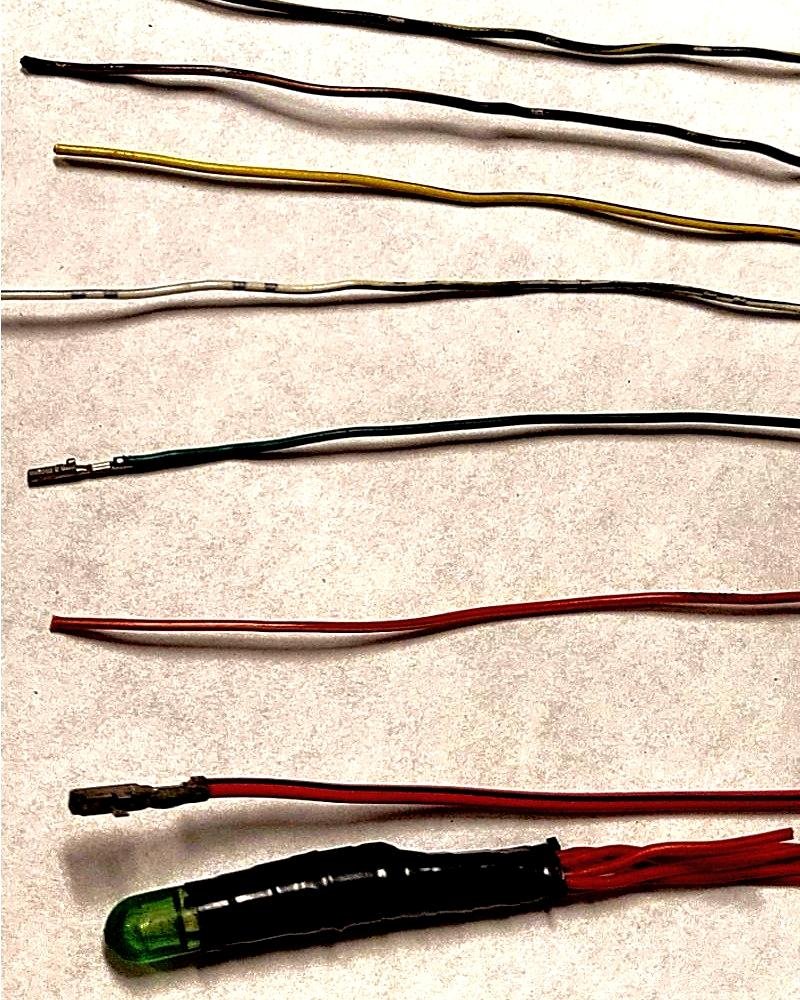
I stick with Toyota/Lexus due to the fact that it gives me an abundance of white wires with a black stripe (W-B/chassis ground), as well as brown wires (BR/sensor ground) and useful wire loom sections.
Staying with Toyota also allows me to keep Toyota ground colors the same (W-B or BR).
The most valuable items in these harnesses are the wire splits. These are usually found:
- Near the ignition coils (heavier gauge)
- Throughout the harness for the 5V splits and sensor ground splits (smaller gauge)
Unfortunately, Toyota doesn't have a common wire color they use for 5V wire supply across different models.
The big downside is dissecting the harness — the electrical tape leaves a residue on the wires, and there is a glue around the wires to protect them where they go through the firewall.
But dedicate a few hours to it and you'll have all the wires sorted for your project!
• Abundant consistent grounds (W-B & BR) + factory splits = huge time-saver
• High-quality copper & loom sections for clean repurposing
• Downside: Tape residue + firewall glue — plan for cleaning time
• No universal 5V color — check model-specific diagrams
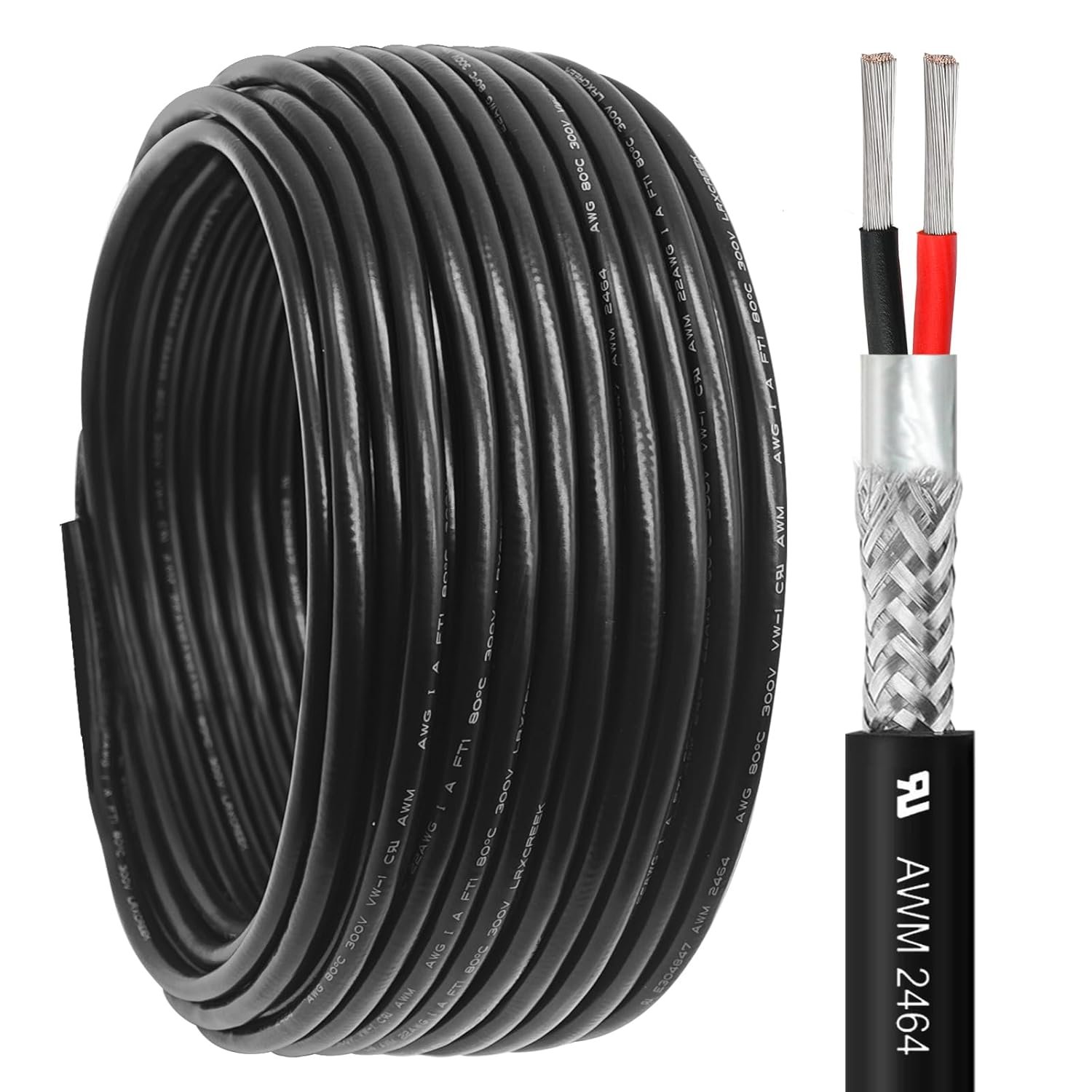
20/2 Shielded Wire 30FT 20 Gauge 2 Conductor Wire, UL2464 20 AWG Chain CNC Tinned Copper Cable for CNC Router Machine, CNC Spindle, Microphone, 3D Printer
Buy on Amazon As an Amazon Associate I earn from qualifying purchases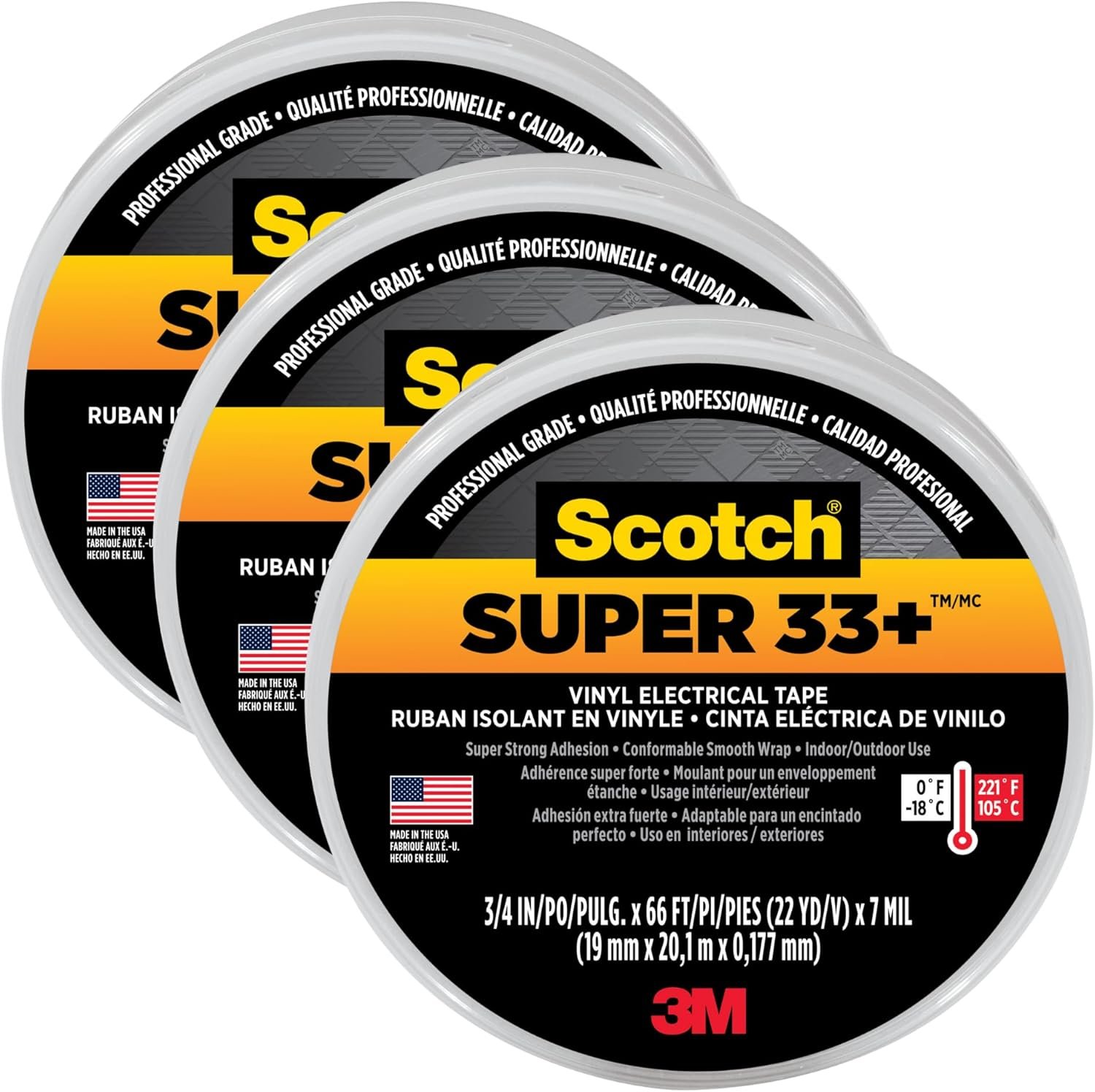
3M Scotch Super 33+ Vinyl Electrical Tape, .75-Inch by 66-Feet
Buy on Amazon As an Amazon Associate I earn from qualifying purchases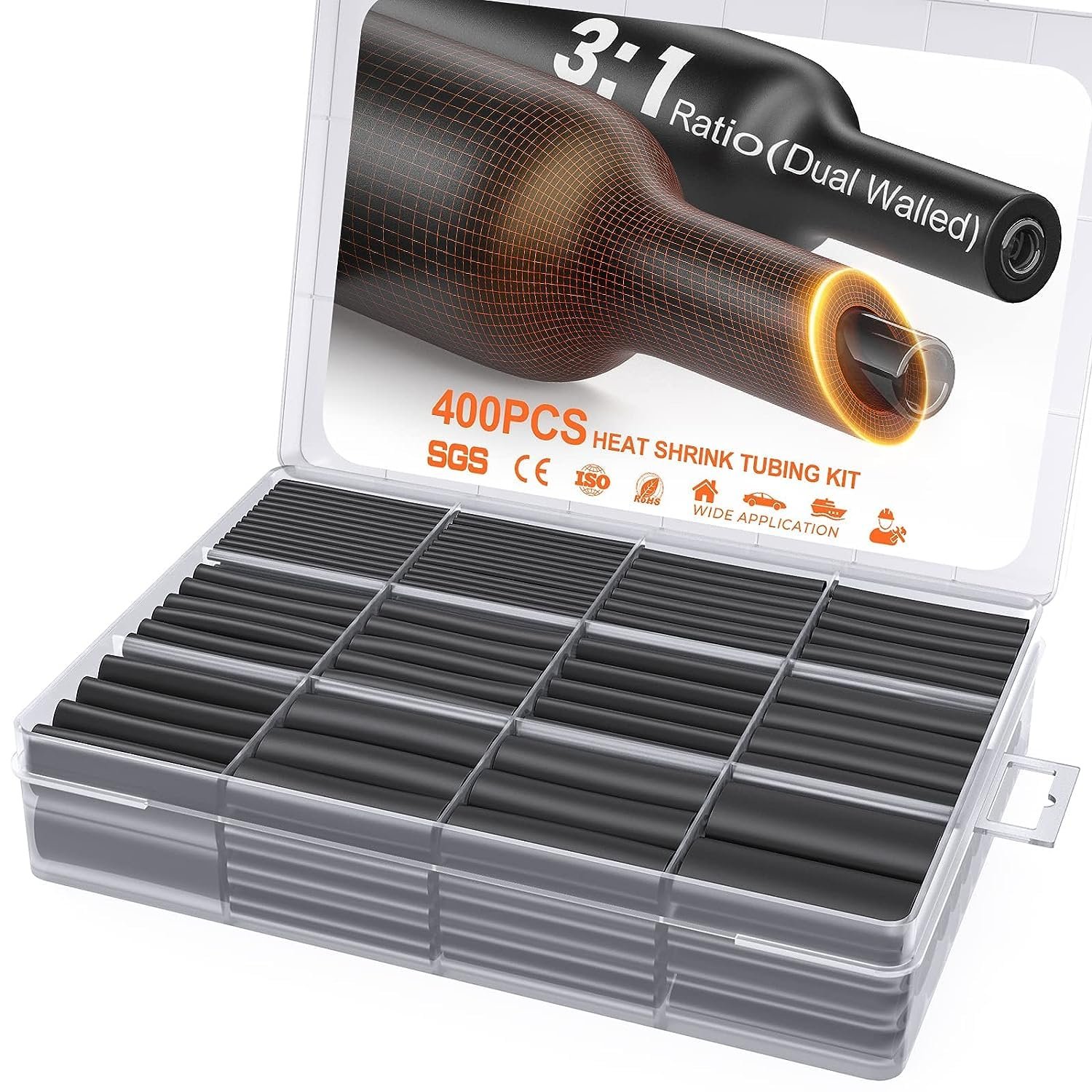
400 Pcs Heat Shrink Tubing Kit-3:1 Ratio Adhesive Lined,Marine Grade Shrink Wrap - Industrial Heat-Shrink Tubing - Black
Buy on Amazon As an Amazon Associate I earn from qualifying purchases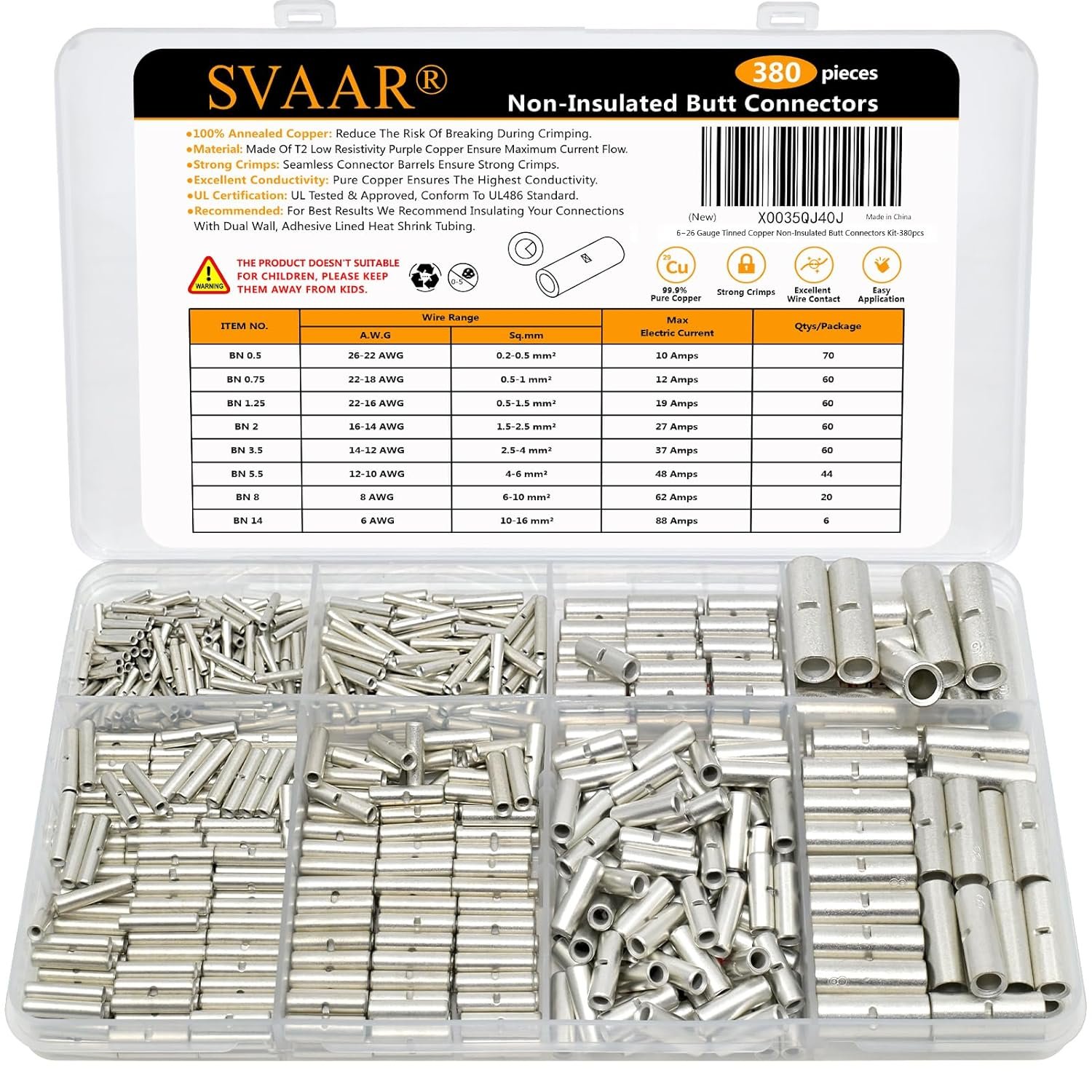
SVAAR 380PCS Non Insulated Butt Connectors Kit Butt Splice Connector Uninsulated Wire Splice Connectors for 26 to 6 Gauge Wire Marine Grade Tinned Copper Seamless Barrel Crimp Butt Splice Terminals
Buy on Amazon As an Amazon Associate I earn from qualifying purchases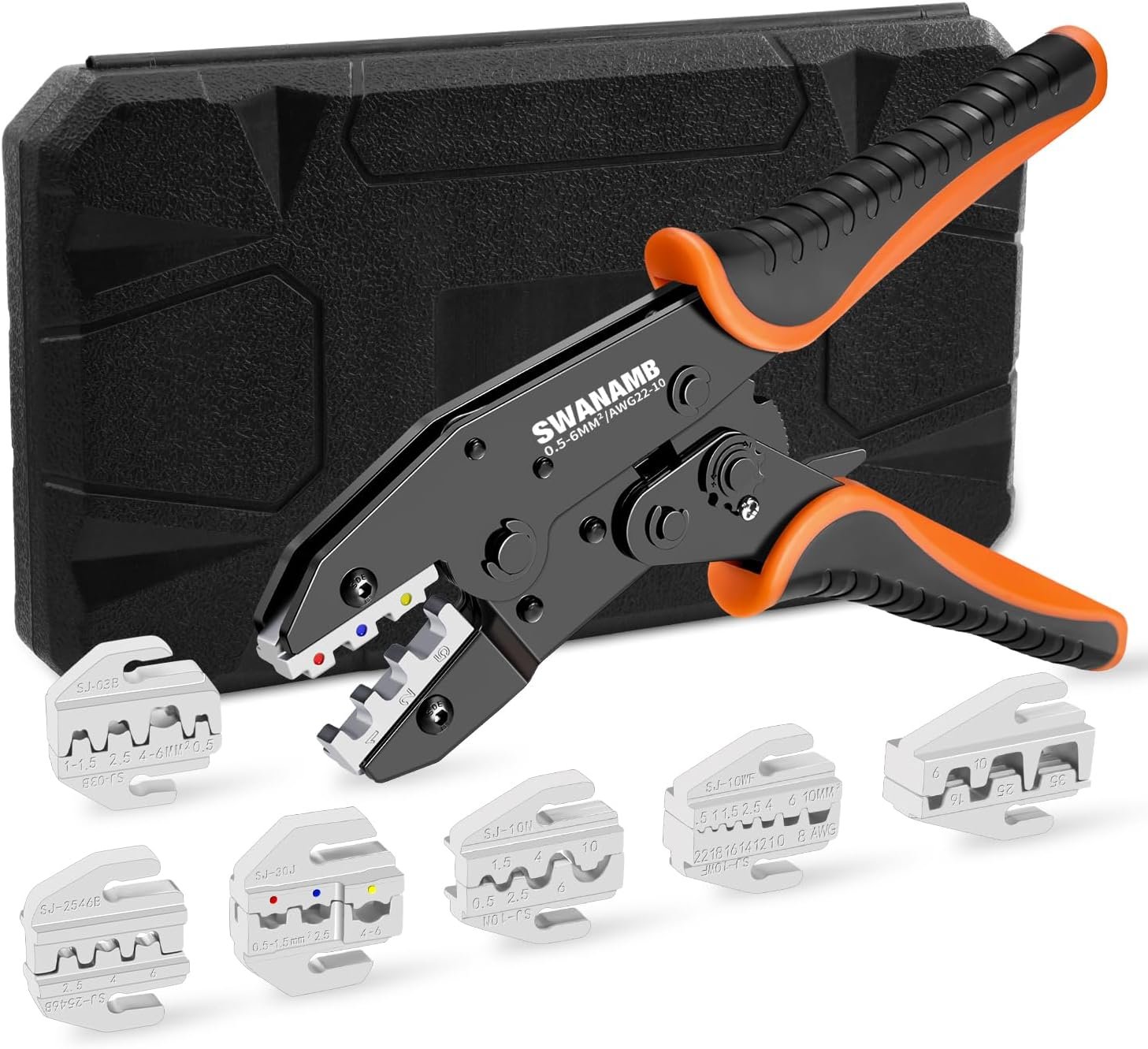
8Pcs Crimping Tool Kit for Heat Shrink Terminals, Non-Insulated, Open Barrel, Solar Conncetors, Insulated and Non-Insulated Ferrules
Buy on Amazon As an Amazon Associate I earn from qualifying purchases
20/2 Shielded Wire 30FT 20 Gauge 2 Conductor Wire, UL2464 20 AWG Chain CNC Tinned Copper Cable for CNC Router Machine, CNC Spindle, Microphone, 3D Printer
Buy on Amazon As an Amazon Associate I earn from qualifying purchases
3M Scotch Super 33+ Vinyl Electrical Tape, .75-Inch by 66-Feet
Buy on Amazon As an Amazon Associate I earn from qualifying purchases
400 Pcs Heat Shrink Tubing Kit-3:1 Ratio Adhesive Lined,Marine Grade Shrink Wrap - Industrial Heat-Shrink Tubing - Black
Buy on Amazon As an Amazon Associate I earn from qualifying purchases
SVAAR 380PCS Non Insulated Butt Connectors Kit Butt Splice Connector Uninsulated Wire Splice Connectors for 26 to 6 Gauge Wire Marine Grade Tinned Copper Seamless Barrel Crimp Butt Splice Terminals
Buy on Amazon As an Amazon Associate I earn from qualifying purchases
8Pcs Crimping Tool Kit for Heat Shrink Terminals, Non-Insulated, Open Barrel, Solar Conncetors, Insulated and Non-Insulated Ferrules
Buy on Amazon As an Amazon Associate I earn from qualifying purchasesQuick Disconnect Connectors (Toyota-Style)
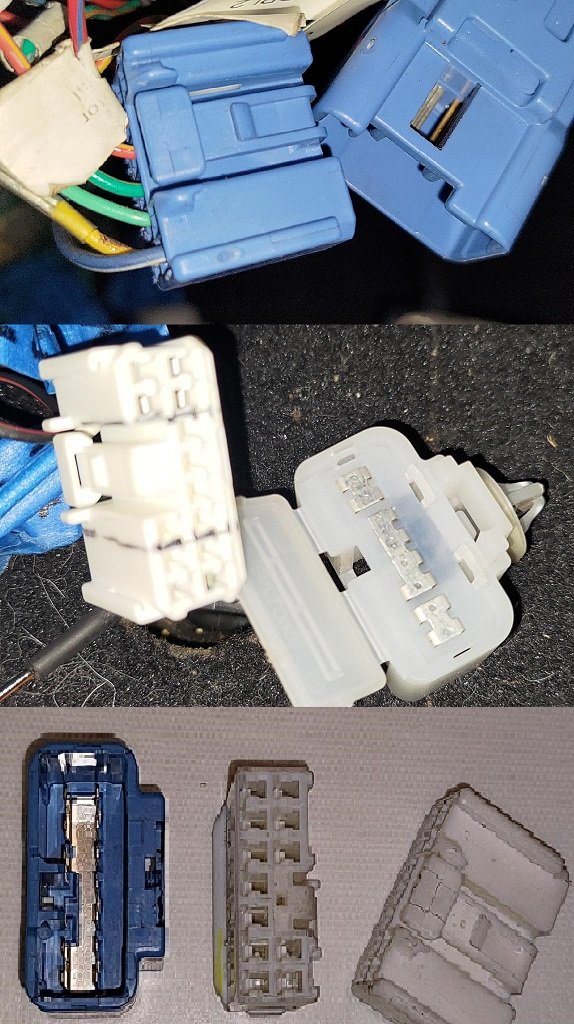
You can actually order these pins from Ballenger Motorsports, but I've mostly gotten the connectors from junkyard Toyotas.
In the Toyota/Lexus models with the ECU in the engine bay, you should find them in the same plastic box the ECU is in.
They should be kept out of dusty/wet environments since they aren't water/dust resistant.
These connectors are GREAT for quick disconnects, troubleshooting, or swapping one sensor wire out for another based on where you'll be driving.
There are 2 main types:
- First type: Wires snap into one side, and the opposing side has a lid with a connection joiner underneath (right picture). The plate joins the wires together that feed into the other side. Some have split plates, and some have one solid plate to join two types of wires.
I prefer to use these over splicing multiple wires together. - Second type: Male plug on one side and female plug on the other side.
I have one wired in near my engine management mounted in the interior — it allows me to quickly replace an input or output for less necessary sensors if I need to connect a sensor for diagnostic purposes.
Part numbers are not listed in my OE Electrical Wiring Diagram book, but these connectors can easily be found in a junkyard (under the dash, behind the front door panels, and near interior fuse boxes).
• Engine bay ECU box (models with external ECU)
• Under dash / behind kick panels
• Near interior fuse boxes or door panels
Pro tip: Grab extras — they're cheap/free at yards and super useful for clean, reversible sensor swaps or diagnostics without permanent splices.
Tools — Barrel Crimpers & Technique
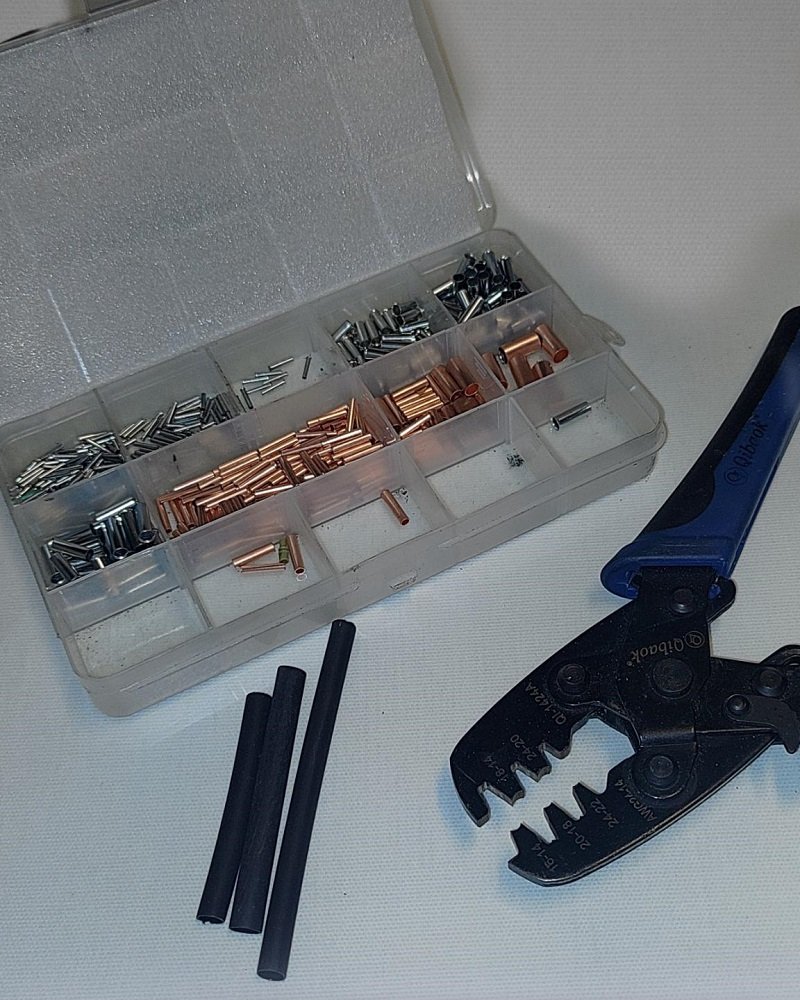
I use barrel crimpers and you can purchase a set like I have from Amazon along with some barrels for around $30.
These have probably crimped more than 1000 connections by now (AMP, Tyco, Deutsch, Delphi, etc.).
The only downside is that my crimpers are cheap, and along with that comes the quality of the crimp.
BUT on the barrels I always flip the crimpers over after I crimp the connection and crimp the wire again. This folds down the ridges created on barrel splices.
When crimping pins I just don't squeeze so hard that it deforms the crimp.
Just make sure you put your heatshrink on first so you don't have to cut the wire and start over!
• Barrel splices: Crimp once → flip tool → crimp again (flattens ridges for cleaner, stronger joint)
• Pins/connectors: Lighter squeeze to avoid deforming the terminal
• Always slide heatshrink on BEFORE crimping (prevents rework)
• Budget set (~$30 on Amazon) works great for 1000+ crimps if you use the double-crimp trick on barrels