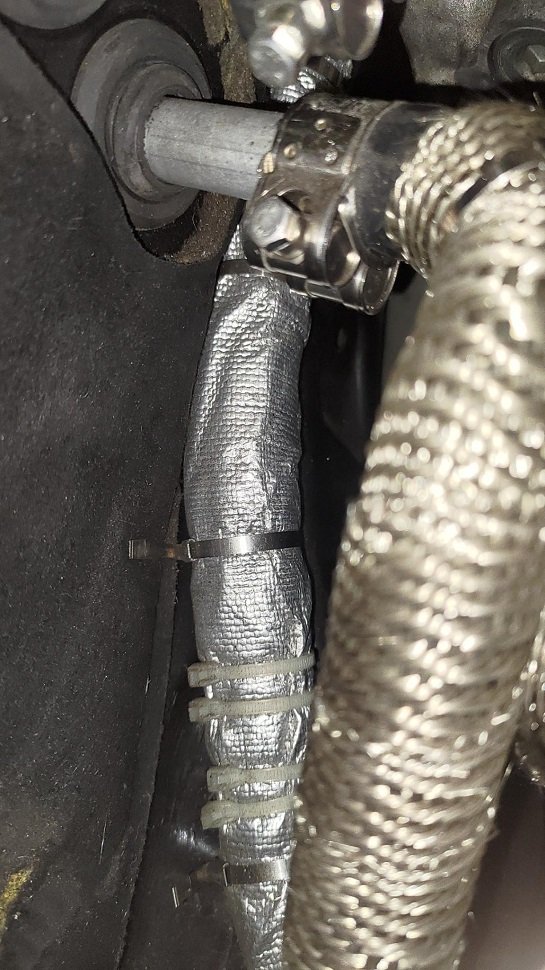
Avoiding sharp edges / heat
Tidy Wiring — More Than Just Looks
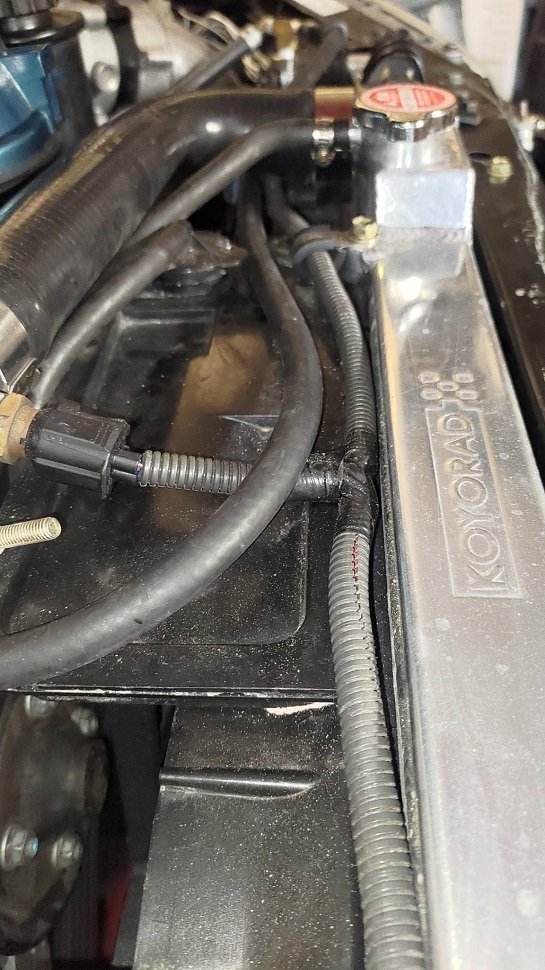
Tidy wiring is for more than just looks — it can help prevent faults if you secure the wire loom well. It also makes engine removal and reinstallation easier, improves troubleshooting, and increases longevity.
Route the wire away from heat, secure it in a loom, and it will most likely look neat and well put-together.
And lastly, you don't want one wire extremely tight and the rest of them loose — keep tension even across the bundle.
Concentric twisting the wires is pointless in my opinion. I believe there are situations where it has its place, but when you're tracing wires out to find the end, it's impossible with a concentric twist setup.
I won't deny that it looks tidy, but I prioritize functionality — being able to trace a wire out if I need to is important to me.
• Secure loom well → prevents chafing/faults and eases engine R&R
• Route away from heat sources → protects insulation long-term
• Even tension across bundle → no single tight/loose wires
• Skip concentric twisting for serviceability → easier tracing/debugging
Prioritize neat + functional over "show car" perfection — reliability wins.
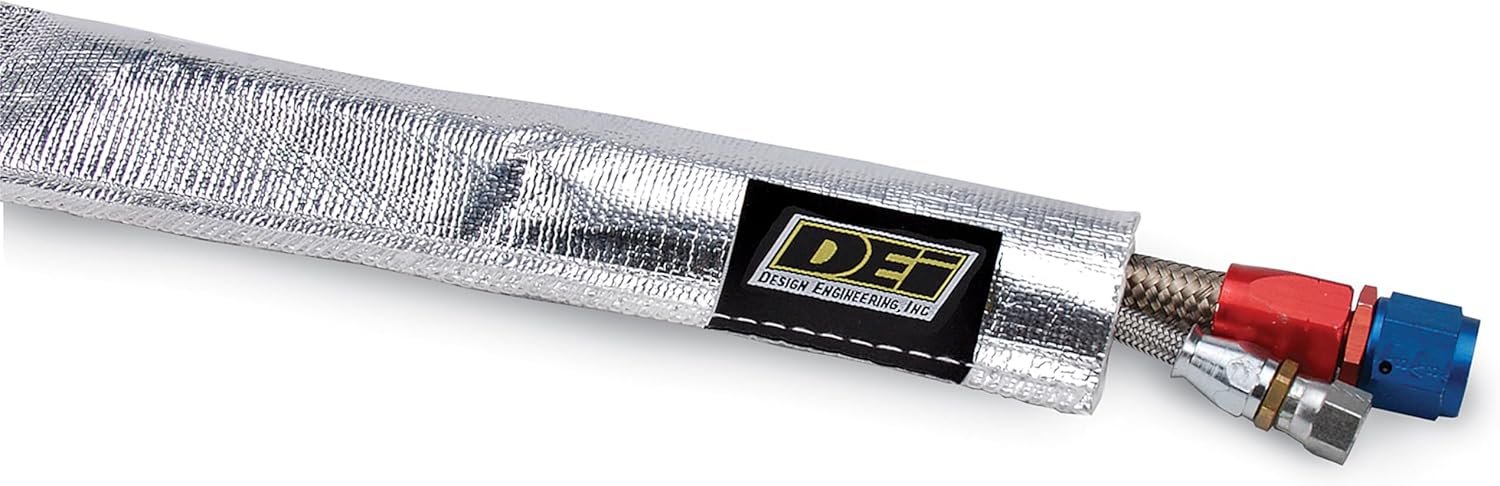
Design Engineering Heat Sheath™ Aluminized Sleeving – 1-1/2" I.D. x 3 ft High-Temperature Heat & Abrasion Protection for Hoses, Lines & Wires | Reflects Up to 2000°F
Buy on Amazon As an Amazon Associate I earn from qualifying purchases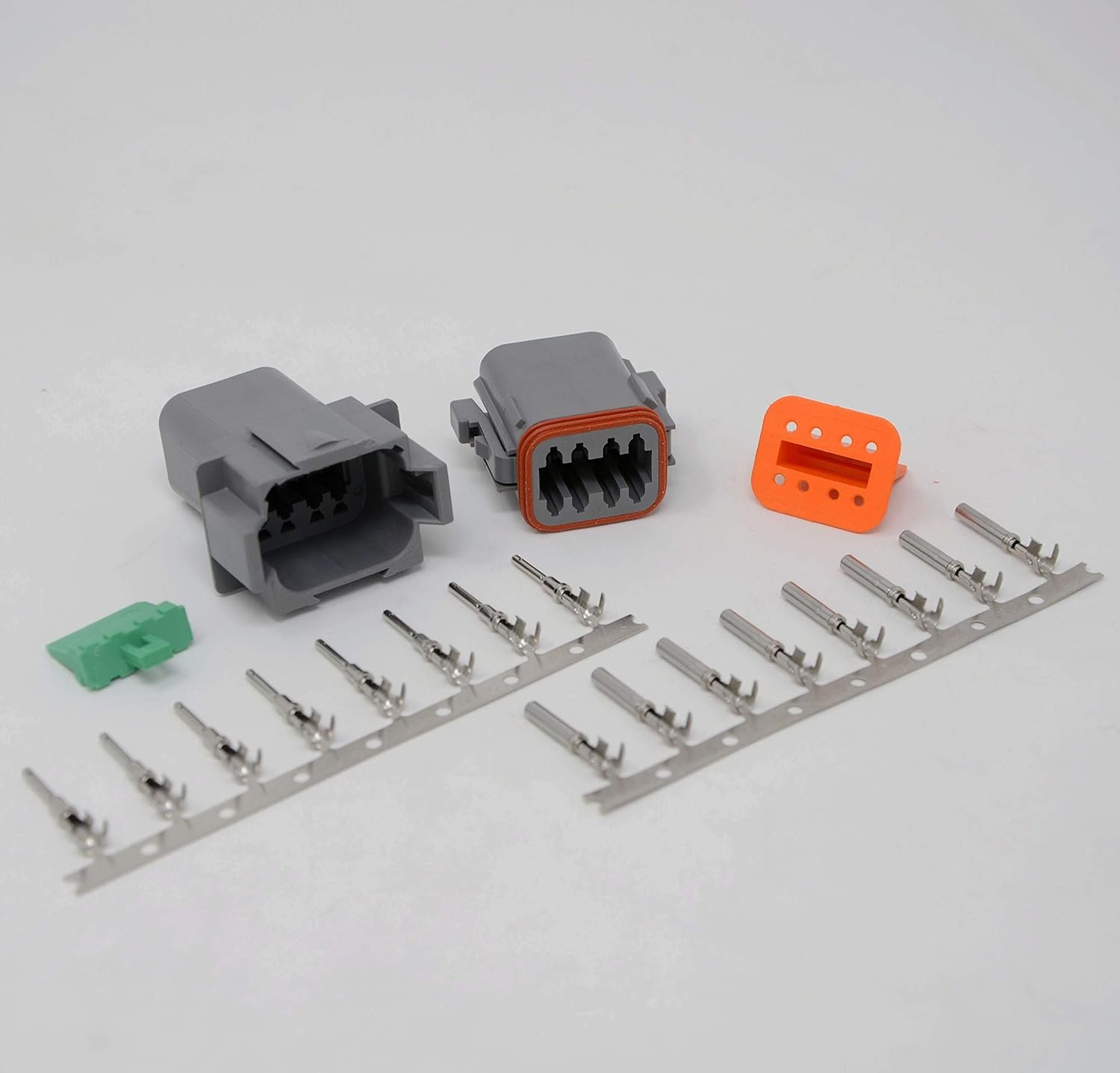
Deutsch 8-pin Connector Kit W/housing, Terminals, Pins, and Seals 14-16 Gauge Crimp Style Terminals
Buy on Amazon As an Amazon Associate I earn from qualifying purchases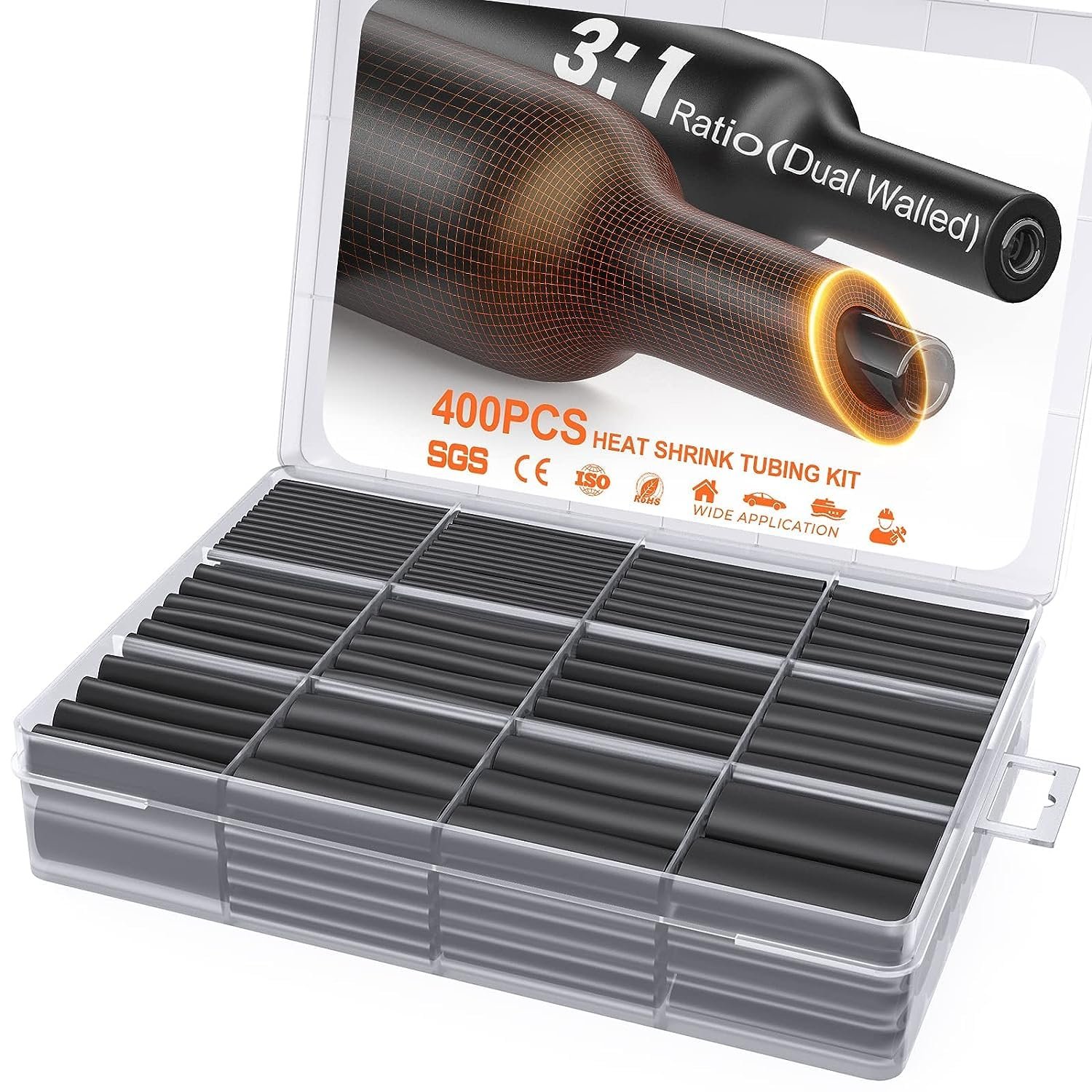
400 Pcs Heat Shrink Tubing Kit-3:1 Ratio Adhesive Lined,Marine Grade Shrink Wrap - Industrial Heat-Shrink Tubing - Black
Buy on Amazon As an Amazon Associate I earn from qualifying purchases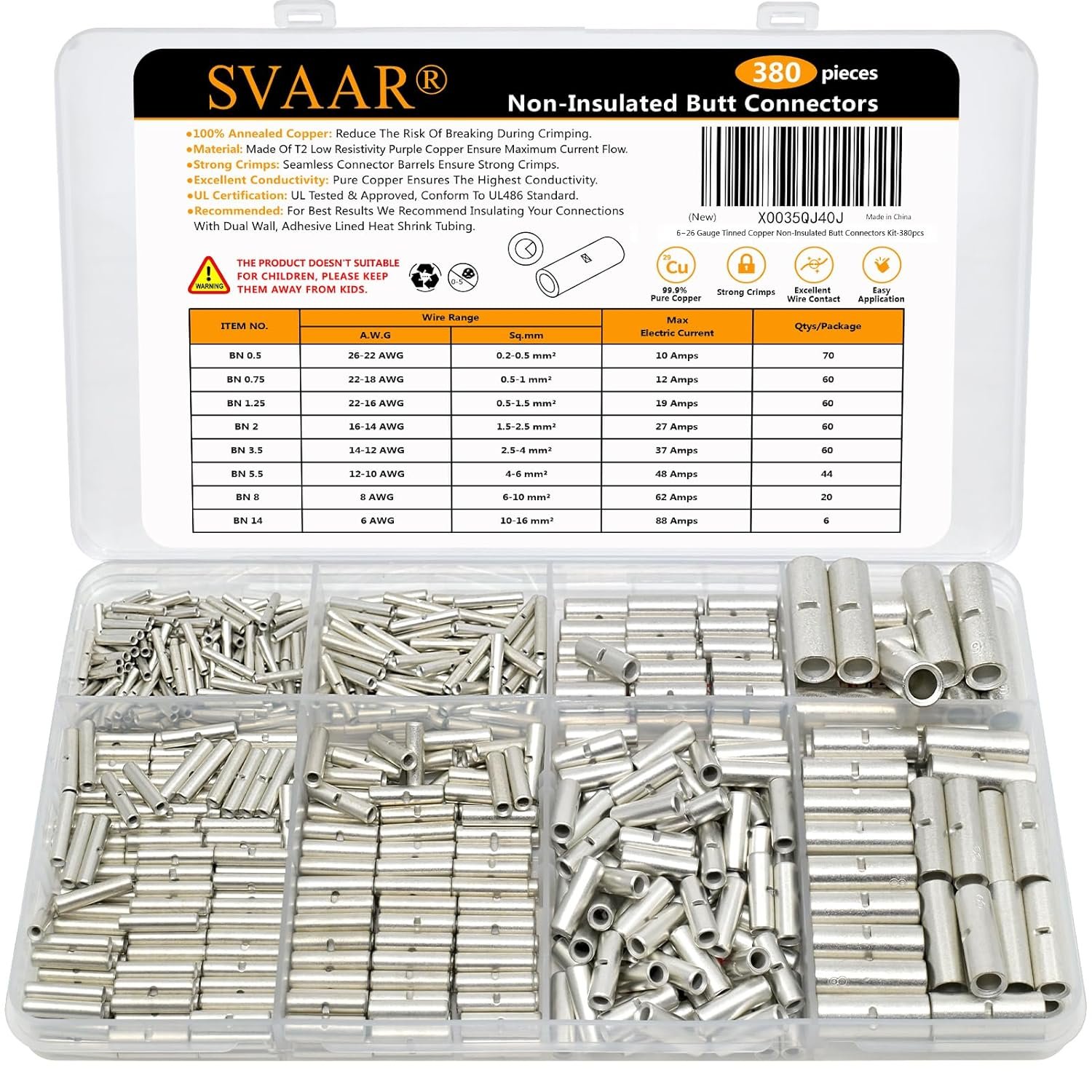
SVAAR 380PCS Non Insulated Butt Connectors Kit Butt Splice Connector Uninsulated Wire Splice Connectors for 26 to 6 Gauge Wire Marine Grade Tinned Copper Seamless Barrel Crimp Butt Splice Terminals
Buy on Amazon As an Amazon Associate I earn from qualifying purchases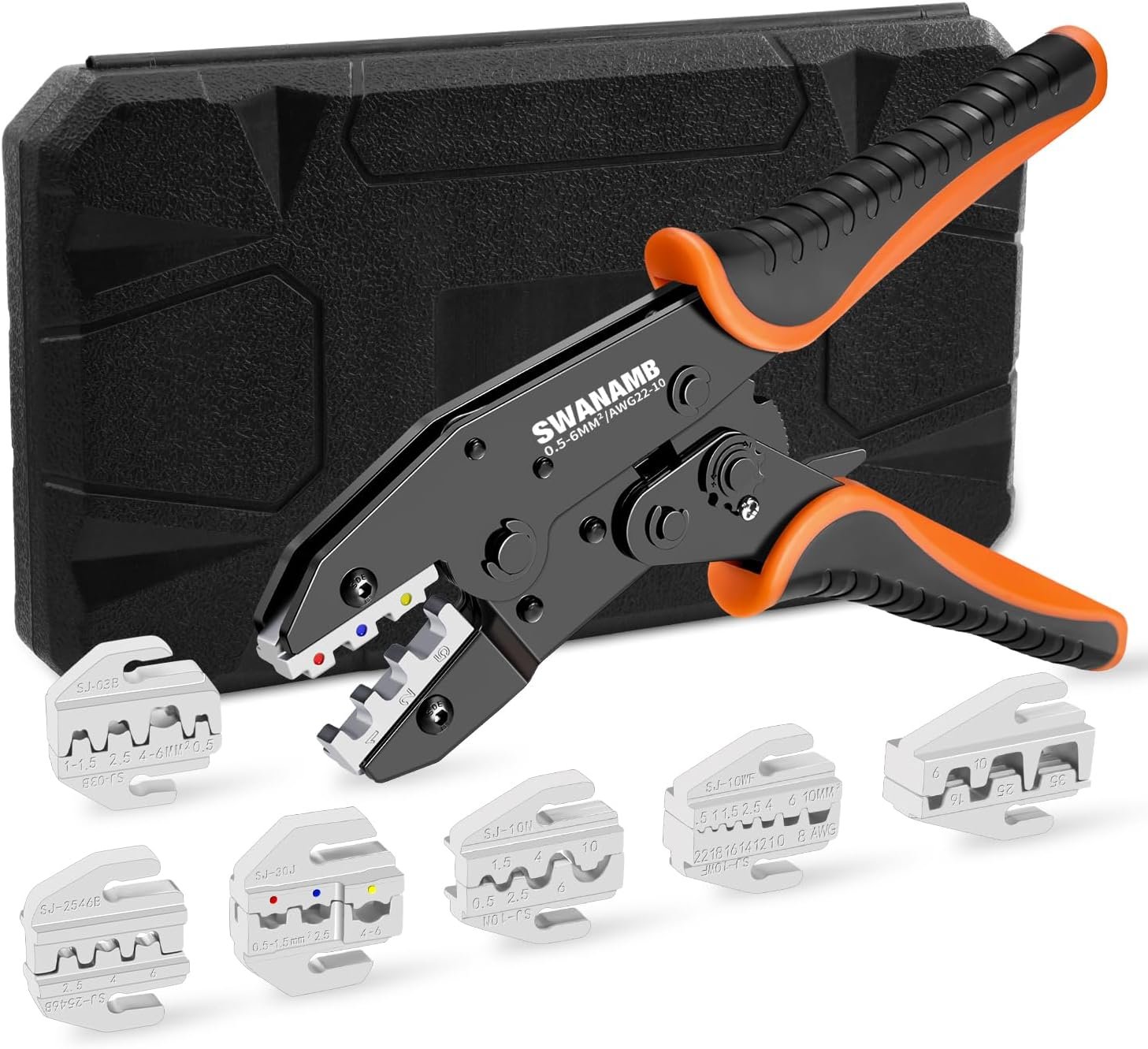
8Pcs Crimping Tool Kit for Heat Shrink Terminals, Non-Insulated, Open Barrel, Solar Conncetors, Insulated and Non-Insulated Ferrules
Buy on Amazon As an Amazon Associate I earn from qualifying purchases
Design Engineering Heat Sheath™ Aluminized Sleeving – 1-1/2" I.D. x 3 ft High-Temperature Heat & Abrasion Protection for Hoses, Lines & Wires | Reflects Up to 2000°F
Buy on Amazon As an Amazon Associate I earn from qualifying purchases
Deutsch 8-pin Connector Kit W/housing, Terminals, Pins, and Seals 14-16 Gauge Crimp Style Terminals
Buy on Amazon As an Amazon Associate I earn from qualifying purchases
400 Pcs Heat Shrink Tubing Kit-3:1 Ratio Adhesive Lined,Marine Grade Shrink Wrap - Industrial Heat-Shrink Tubing - Black
Buy on Amazon As an Amazon Associate I earn from qualifying purchases
SVAAR 380PCS Non Insulated Butt Connectors Kit Butt Splice Connector Uninsulated Wire Splice Connectors for 26 to 6 Gauge Wire Marine Grade Tinned Copper Seamless Barrel Crimp Butt Splice Terminals
Buy on Amazon As an Amazon Associate I earn from qualifying purchases
8Pcs Crimping Tool Kit for Heat Shrink Terminals, Non-Insulated, Open Barrel, Solar Conncetors, Insulated and Non-Insulated Ferrules
Buy on Amazon As an Amazon Associate I earn from qualifying purchasesQuick Disconnect Deutsch Connectors (DTM & DTP)
I love these connectors!
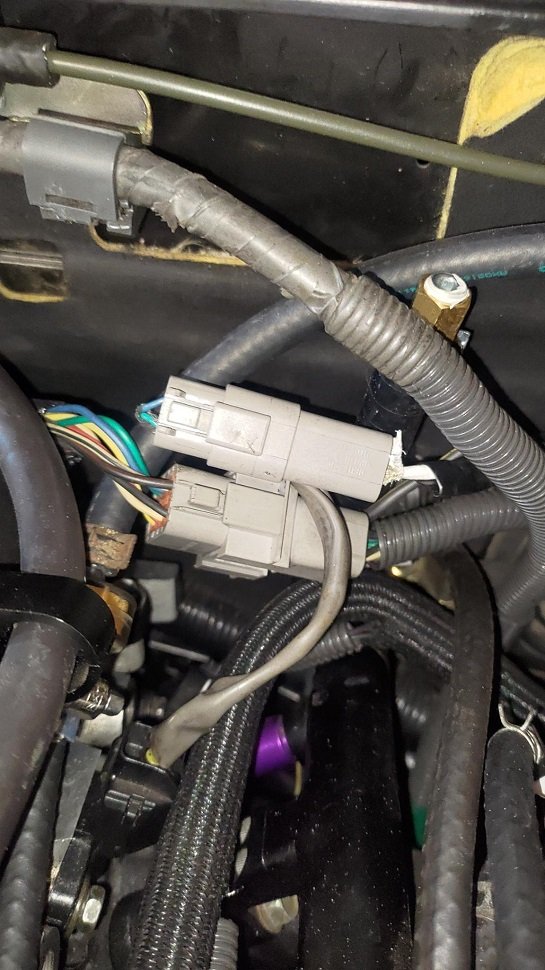
For example, on a 2JZ or 1JZ engine, you can wire 6 individual coils with power and ground through one 8-pin DTP connector. This allows you to disconnect it when performing a Haltech update so your coils don't burn out.
You can also wire in your 6 fuel injectors to another 8-pin connector along with the power wire, or use a 10-pin connector (as I did) that also includes fuel pressure sensor wiring.
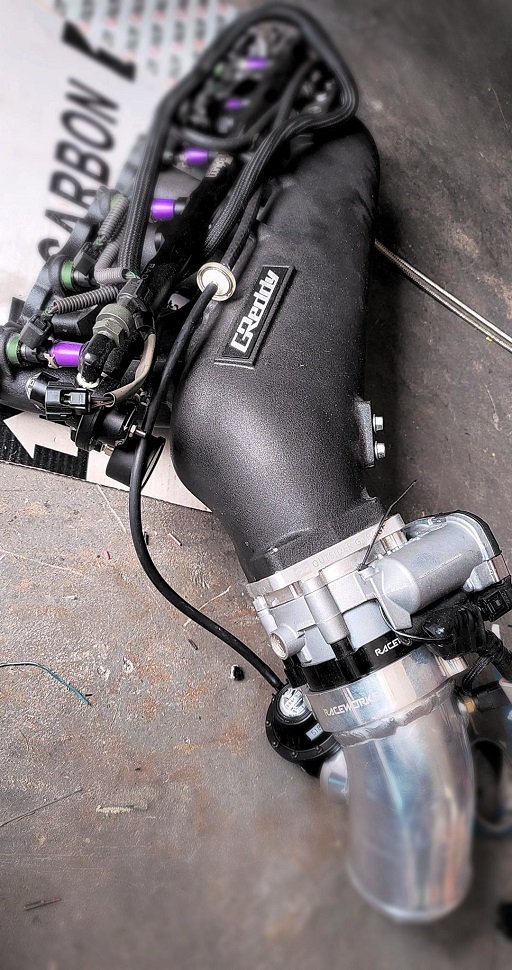
If you ever need to remove your entire manifold with the injectors, you'll potentially be able to leave it assembled — as my picture shows.
Do the same for your TPS, coolant temp, and other electronics around the engine (like the alternator), and you'll have a much easier time either troubleshooting or disconnecting everything to remove your engine if needed.
Deutsch DTM are used for sensors and small-gauge signals.
DTP are used for power and higher-current applications.
Different gauge pins are used in different connectors:
• Coils (higher current) need DTP
• Sensors and other small-gauge wires can use DTM